
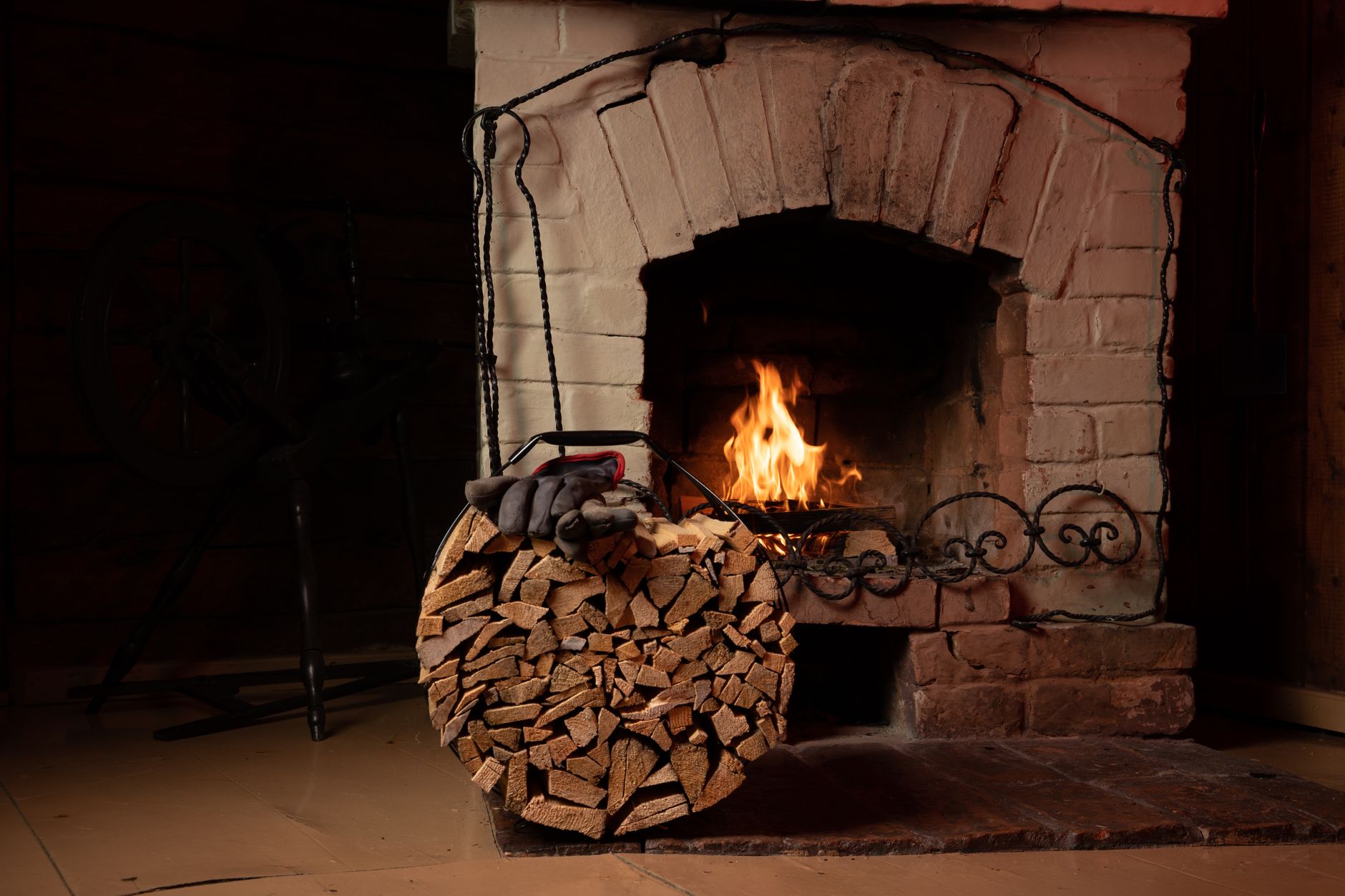
A unit fireplace, a shared roof, and a sale in progress
Book a condo sale inspection
Give us the complex, the unit number and how roof access works there. We reply with a visit time and what we need from the HOA.
Who owns which piece of a condo chimney
Most first time condo buyers assume the fireplace is theirs top to bottom. Usually it is not that simple. The firebox, the glass doors, the damper handle and the hearth tile sit inside the unit, and the CC&Rs (the rule book every condo association files) tend to treat them as the owner's. The flue that carries smoke upward, the chimney chase on the outside wall, the crown or cap on the roof and the flashing where the roof meets the chimney are often common area, maintained by the association.
That line moves from one complex to the next, so we never guess. We ask the seller or the HOA manager for the maintenance section of the CC&Rs, then write our findings in two groups. A buyer in Inglewood or Hawthorne can see at a glance which problems the seller or the board would be asked to handle and which ones become theirs on closing.
- Usually the unit's: firebox, doors, screen, damper control, hearth, gas valve and log set
- Usually the association's: flue run, chase, cap, crown, roof flashing
- Varies by complex: shared flues serving two stacked units, prefab fireplace boxes
Shared flues and stacked units
Many townhouse and condo buildings from the 1970s and 1980s have factory-built fireplaces: a metal box with a metal pipe for a flue, framed inside a wooden chase. In some buildings two units stacked one over the other feed separate pipes that end side by side under one cover on the roof. A problem in one pipe can be a problem for the neighbor too, which is why the camera run matters more in a condo than in a detached house.
When we find something that touches more than one unit, such as a rusted chase top over both flues, we say so in the report and suggest the buyer's agent pass that page to the HOA. The association then decides how to schedule the repair across the building.
What the Level 2 covers in a unit
Level 2 is the inspection level the national fireplace standard, NFPA 211, asks for when a home changes owners. In plain words it is the full look: the firebox and damper from inside the unit, a video camera sent up the entire flue, the attic or chase space where we can reach it, and the top of the chimney from the roof once the association has let us up there.
You receive a written report with stills from the camera, each finding explained in everyday words, and a note on whether it sits on the unit side or the association side. Whoever pays for the visit holds the report and decides which other names go on the copy list.
Condo sale inspection price
One price per fireplace, whether the unit burns wood or gas.
- Full sale inspection with flue video, one unit fireplace
- $370
- Quick visual look before listing, one unit fireplace
- $52
If the HOA has to arrange roof access on a separate day, the price stays the same.
Condo sale questions
The HOA says the chimney is theirs. Do I still need an inspection?
Yes, because the firebox, damper and doors are usually still yours, and the report shows the board exactly what is wrong with the part they look after. Without it, a cracked flue is nobody's problem until someone lights a fire.
Can you get onto the roof of a condo building?
Only with the association's permission. We contact the property manager, agree a time and follow their access rules. If the roof cannot be reached, the report says which items we could not see and why.
What is a factory-built fireplace?
A steel firebox and steel flue pipe built as one tested set, common in condos from the 1970s onward. Parts must come from the same maker or match its listing, so we note the brand and model plate when we find it.
The unit has a gas fireplace. Is a Level 2 still useful?
Yes. Gas still makes exhaust that has to leave the building. We check the vent run, the pilot and the valve, and look for nests or debris in a flue that may have sat unused for years.
Who can see the report?
Whoever paid for the visit. That person can name the other agent, the seller, the buyer or the HOA manager, and we send each of them the same copy.
Selling or buying a unit with a fireplace?
Use the contact page to share the complex name, unit number and who handles roof access. We will set a visit and tell you what the association needs to know.
Call (323) 524-3894